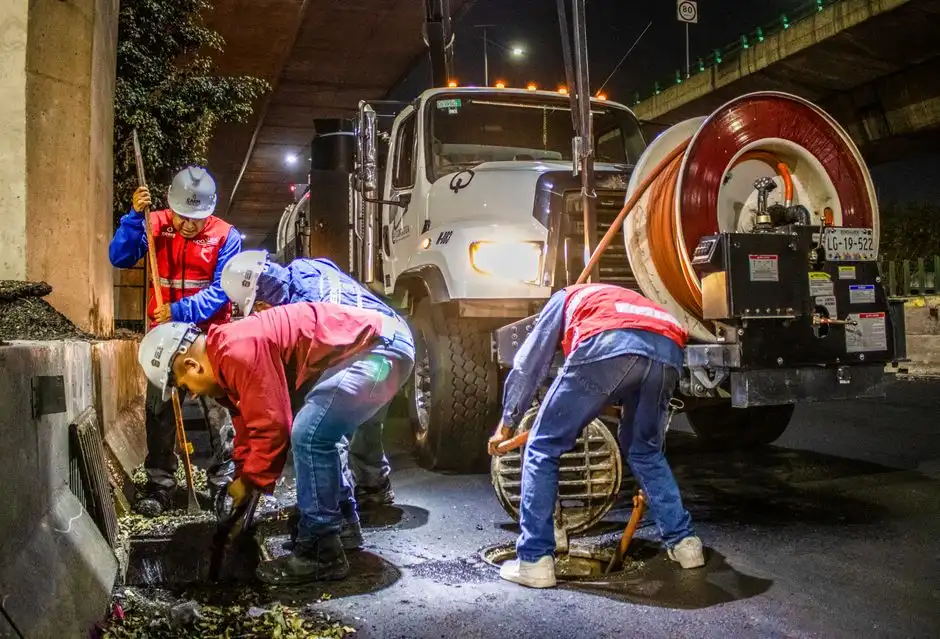
Your drain keeps clogging in Hinesville because the water here is hard enough to lay down scale inside your pipes, and the soil shifts enough to let tree roots find the joints. Those two things - plus aging cast iron in older homes - mean a drain that clears once will clog again in a few weeks unless you treat the cause, not just the symptom. We see it every week: a homeowner snaking the same kitchen sink three times before calling us. This post covers the specific reasons drains clog in Hinesville, what it costs to fix them in 2026, and how to keep them clear.
Why is my drain always clogging in Hinesville?
Recurring drain clogs in Hinesville are a water-quality and soil problem before they are a plumbing problem. The city pulls water from the Floridan Aquifer, which runs 120-180 mg/L of calcium carbonate - hard enough to leave visible scale on faucets in under a year. That same scale builds up inside your drain lines, narrowing a 2-inch pipe to 1.5 inches or less over a decade.
Once the pipe narrows, every bit of grease, soap scum, and hair catches on the rough surface. You clear the blockage, but the scale stays. Two weeks later, the drain is slow again. That cycle is what "recurring" means in practice.
Add Hinesville's sandy-loam soil and the live oaks and pines that dominate older neighborhoods, and you get root intrusion at pipe joints. Add 1970s and 1980s cast iron drain lines in parts of town, and you get corrosion that snags debris. Most chronic clogs are two or three of these stacked.
Hard water is the hidden culprit in most Hinesville homes
Hard water and drain clogs in Hinesville go together because calcium and magnesium precipitate out of the water every time it sits still. Your drain line is a wet, slow-moving environment - perfect for mineral deposition.
Here's what that looks like over time:
- Year 1-2: white crust on faucet aerators and showerheads. Drains still flow fine.
- Year 3-5: soap stops lathering well, and the bottom of the sink drains slower than it used to.
- Year 6-10: scale has built a rough lining inside the pipe. Hair and grease stick to it. You start snaking once or twice a year.
- Year 10+: the effective diameter of the pipe is down 20-30%. Clogs become monthly.
We measure this on camera. A drain line in a 15-year-old Hinesville home often shows a 1/4-inch to 3/8-inch layer of scale on the pipe wall. That's the difference between a drain that works and one that backs up every time you run the disposal.
The fix is two-part: mechanically descale the line, then stop the scale from coming back. A Water Softener Installation Hinesville GA removes the calcium before it ever reaches your drains, which is the only permanent solution we've found for hard-water-driven clogs. Homeowners who skip the softener and just snake the drain are back on our schedule within six months.
Root intrusion in sewer lines Hinesville GA homeowners deal with every year
Root intrusion in sewer lines Hinesville GA is the number-one cause of main-line backups we clear between October and March. That's when roots push hardest - they grow toward moisture in cool, wet soil.
Hinesville's older neighborhoods have mature live oaks, pines, and magnolias with root systems that spread 30-50 feet. Clay tile and cast iron sewer lines from the 1960s-1980s have joints every 3-5 feet, and those joints are exactly where roots get in. A hairline root at the joint catches toilet paper and grease, and within a season you have a full blockage.
Signs you have root intrusion rather than a simple clog:
- Multiple drains back up at the same time (not just one sink).
- You hear gurgling in the toilet when the washing machine drains.
- The backup happens every few months, always in the same spot.
- You smell sewage in the yard after heavy rain.
Snaking a root-clogged line is temporary. The root grows back. What actually fixes it is cutting the roots with a powered auger, then running a camera to see the damage. If the pipe is cracked or offset, we recommend a Sewer Line Repair Hinesville GA - either a spot repair at the damaged joint or a full replacement if the line is collapsed.
What causes recurring drain clogs in Hinesville GA?
Common causes of clogged drains in Hinesville homes fall into five buckets. If your drain keeps clogging, it's almost always one of these:
- Hard water scale - calcium buildup narrows the pipe and gives debris something to grab.
- Root intrusion - roots enter at pipe joints and regrow after every snaking.
- Grease and soap scum - Hinesville's hard water makes soap scum worse, and it bonds to scale.
- Cast iron corrosion - older lines rust from the inside out, creating rough surfaces that snag waste.
- Improper pipe slope - some 1970s subdivisions have lines that were pitched too flat, so waste moves slowly and settles.
We diagnose which one you have with a camera inspection before we quote anything. That's how we avoid the trap of clearing the same clog four times.
Common mistakes that make recurring drain clogs worse
The biggest mistake Hinesville homeowners make is treating a recurring clog with chemical drain cleaner. Those products eat through the clog - and the pipe wall. On older cast iron or clay tile, repeated use accelerates corrosion and turns a $250 drain cleaning into a $4,000 sewer line replacement.
Other mistakes we see:
- Pouring grease down the drain "with hot water." Hot water moves grease 10 feet down the line, where it cools and hardens. That's why your kitchen sink clogs first.
- Using a hand snake on a main-line clog. You'll punch a hole through the blockage, not clear it. It comes back in days.
- Ignoring the water softener. If your home has never had one, scale is building right now. Every month you wait, the pipe gets narrower.
- Flushing "flushable" wipes. They don't break down. They catch on scale and roots and form the core of most main-line blockages we clear.
- Snaking the same line every few months instead of scoping it. If a drain clogs three times in a year, there's a structural reason. Snaking hides it.
If you've already tried chemical cleaner and a hand snake, stop. You're spending money on a temporary fix and risking a bigger repair.
How to prevent drain clogs in Hinesville Georgia
Preventing drain clogs in Hinesville comes down to controlling scale and keeping roots and grease out of the line. Here's what actually works, ranked by impact:
- Install a water softener. This is the single highest-impact fix for hard-water clogs. It removes the calcium before it reaches your pipes.
- Get an annual camera inspection if your home is over 20 years old. We catch root intrusion and scale buildup before they become backups.
- Never pour grease down the drain. Pour it into a can, let it harden, throw it away.
- Run hot water for 30 seconds after every sink use. It keeps soap scum moving instead of settling.
- Use a drain screen in every tub and shower. Hair is the number-two cause of bathroom clogs after scale.
- Flush your drains monthly with a enzyme-based maintainer. Not chemical cleaner - enzymes. They eat the organic film that scale grabs onto.
- Watch for slow drains as a warning. A drain that takes 10 seconds longer to empty than it did last year is telling you something.
If you want a professional to handle the annual maintenance, our Drain Cleaning Hinesville GA service includes a camera inspection and a written report on the condition of your lines. That's how you stop the cycle instead of managing it.
When to call a professional
Call a plumber when the same drain clogs twice in six months, when multiple fixtures back up at once, or when you smell sewage. Those three signs mean the problem is in the main line, not the trap - and no amount of store-bought cleaner will fix it.
We handle drain clogs across Hinesville, from the older homes near downtown to the newer subdivisions off Highway 84. Our technicians run a camera first, tell you what's actually blocking the line, and quote the repair before we start. If it's a simple clog, we clear it. If it's roots or collapsed pipe, we show you the footage and walk you through the options.
For emergencies - sewage backing into the house, a drain that won't clear at all - we offer Emergency Plumbing Repair Hinesville GA with same-day service. Don't wait on a backup that's already in the house.
Frequently Asked Questions
Why does my drain always clog in Hinesville?
Because Hinesville's water is hard (120-180 mg/L calcium carbonate) and the soil shifts, which lets roots into sewer joints. Those two factors narrow the pipe and catch debris, so a drain that clears once will clog again in 2-8 weeks unless you treat the scale and roots, not just the blockage.
What causes recurring drain clogs in Hinesville GA?
The top three causes are hard water scale, root intrusion at pipe joints, and cast iron corrosion in homes built before 1990. Grease and soap scum make all three worse. A camera inspection identifies which one you have in about 30 minutes.
How can I prevent drain clogs in my Hinesville home?
Install a water softener, never pour grease down the drain, use drain screens in tubs, and run hot water for 30 seconds after each sink use. If your home is over 20 years old, get an annual camera inspection. Those five habits prevent most recurring clogs we see.
When should I call a plumber for a clogged drain in Hinesville?
Call when the same drain clogs twice in six months, when multiple fixtures back up at once, or when you smell sewage. Those signs mean the blockage is in the main line. A professional drain cleaning in Hinesville GA costs $150-$450 in 2026, depending on access and severity.
Does hard water cause drain clogs in Hinesville Georgia?
Yes. Hinesville's water leaves calcium scale inside drain pipes, narrowing them by 20-30% over 10 years. That rough surface catches grease, hair, and soap scum. A water softener removes the calcium before it reaches your drains and is the only permanent fix.
Get help with Plumbing Repair in Hinesville
If your drain keeps clogging, we'll find out why and fix it for good. We serve Hinesville and the surrounding Liberty County area with camera inspections, drain cleaning, and sewer line repair.
Call Hinesville Plumbing Repair at (912) 296-2269 to schedule a drain inspection. We'll tell you what's blocking the line and what it costs to clear it - before we start.